Letters from The Garden Autist
Excerpt from ‘Letters from The Garden Autist’ Jan 2026
Well, what a week it’s been, not disappointing us on the world stage, as much as 2025 also provided endless twists and turns. Let this be your corner of safety and comfort, as we deserve to feel safe and our nervous systems calm. That’s all we really need, isn’t it?. The more disempowered external events are designed to make us feel, we can still find meaning and truth in local service and community.
I’m very interested in local projects that are seeking to help, such as Lovebrook Farm near Lewes. They have a team of dedicated farmers who hold workshops for the elderly and disabled, as well as championing local arts. They grow a wide range of wonderful fruits and vegetables, and prepare delicious meals to share. This is how we grow security - literally! They even have a sauna overlooking the South Downs.
I returned to my gardening work this week, too, managing to dodge the showers and get on with some much-needed pruning. It’s the time to prune fruit trees and start your roses. But a word of caution, be careful on slippery ground as my colleague fell and impaled herself on her secateurs, which provided quite a drama, fortunately she is ok after a few stitches…. So stay safe out there!
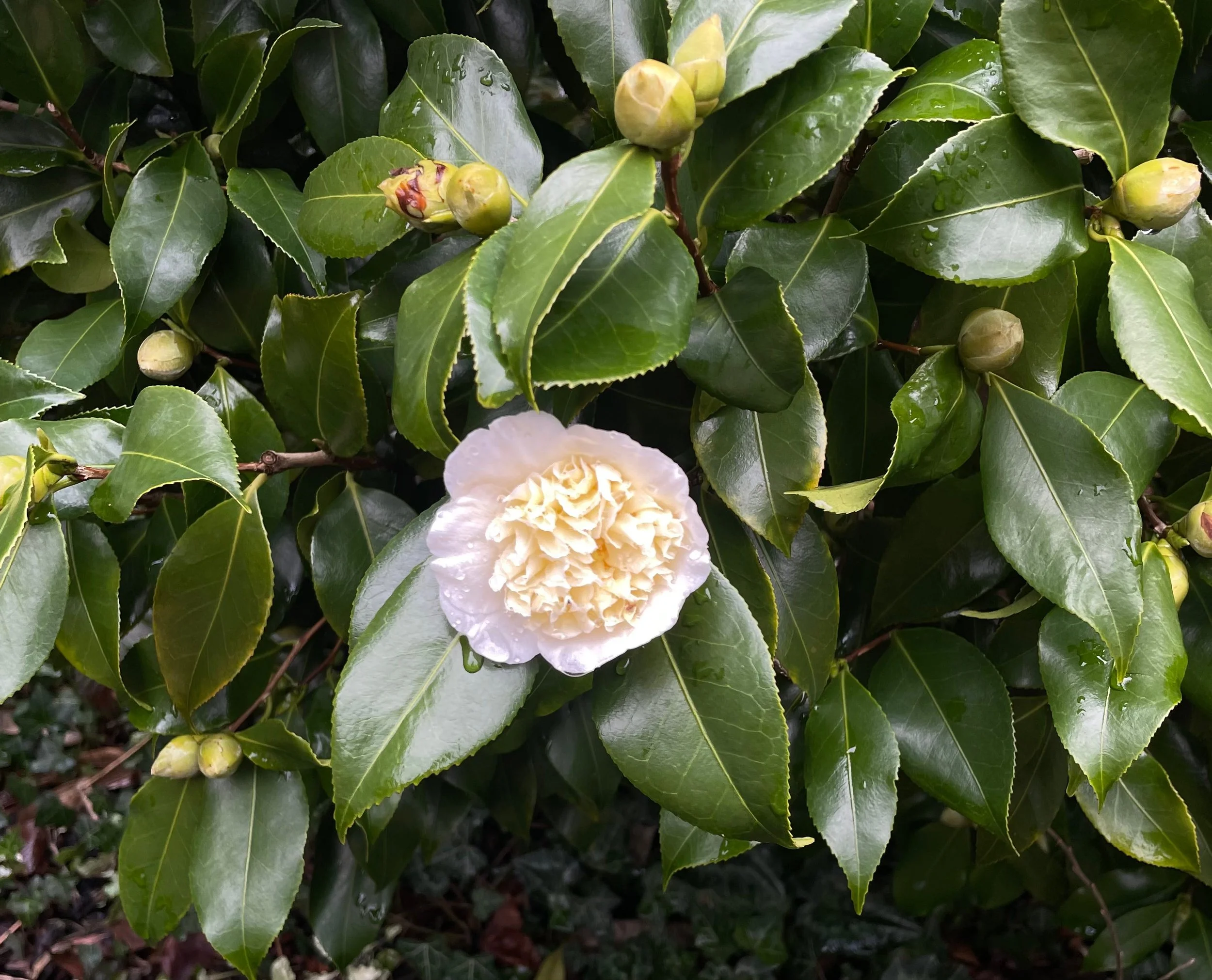
On a positive note, I saw the first open Camelia flower! Isn’t it lovely? and knowing spring is just weeks away makes everything feel lighter.
So on with the show.
PLANT
Name: Comfrey
Origin: Russia and UK
Description: A wild plant that has cultivars, the English and Russian varieties often cross-pollinate. Self seeds and spreads prolifically. A specific version called Blocked 14 is solely used for fertiliser and doesn’t make fertile seed.
Features: Tall plant with pointed, veined leaves, characterised by small hairs that feel a bit prickly. It produces purple bell-shaped flowers that hang in clusters.
Uses: Known to gardeners as a potent fertiliser, the tap root goes deep into the ground, drawing up key minerals that make a rich fertiliser. When the plant’s green material is added to compost, or used to make ‘comfrey tea’ by leaving it to rot in water. This is then fed back onto crops. Also known as ‘Knit Bone’ comfrey was traditionally used to cure bone breaks and sprains. The leaves can be pulverised and made into a poltice to apply to wounds (not broken skin).
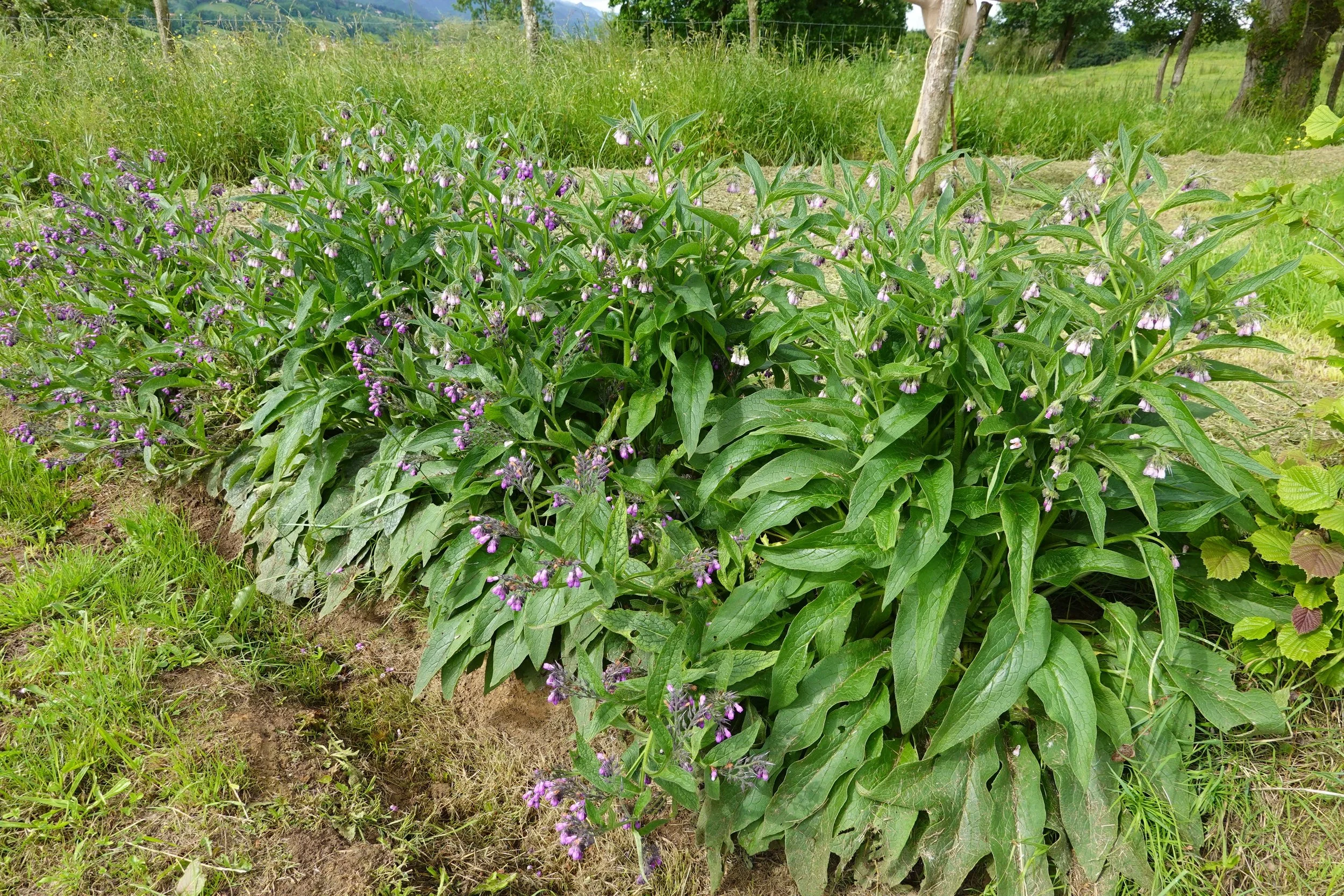
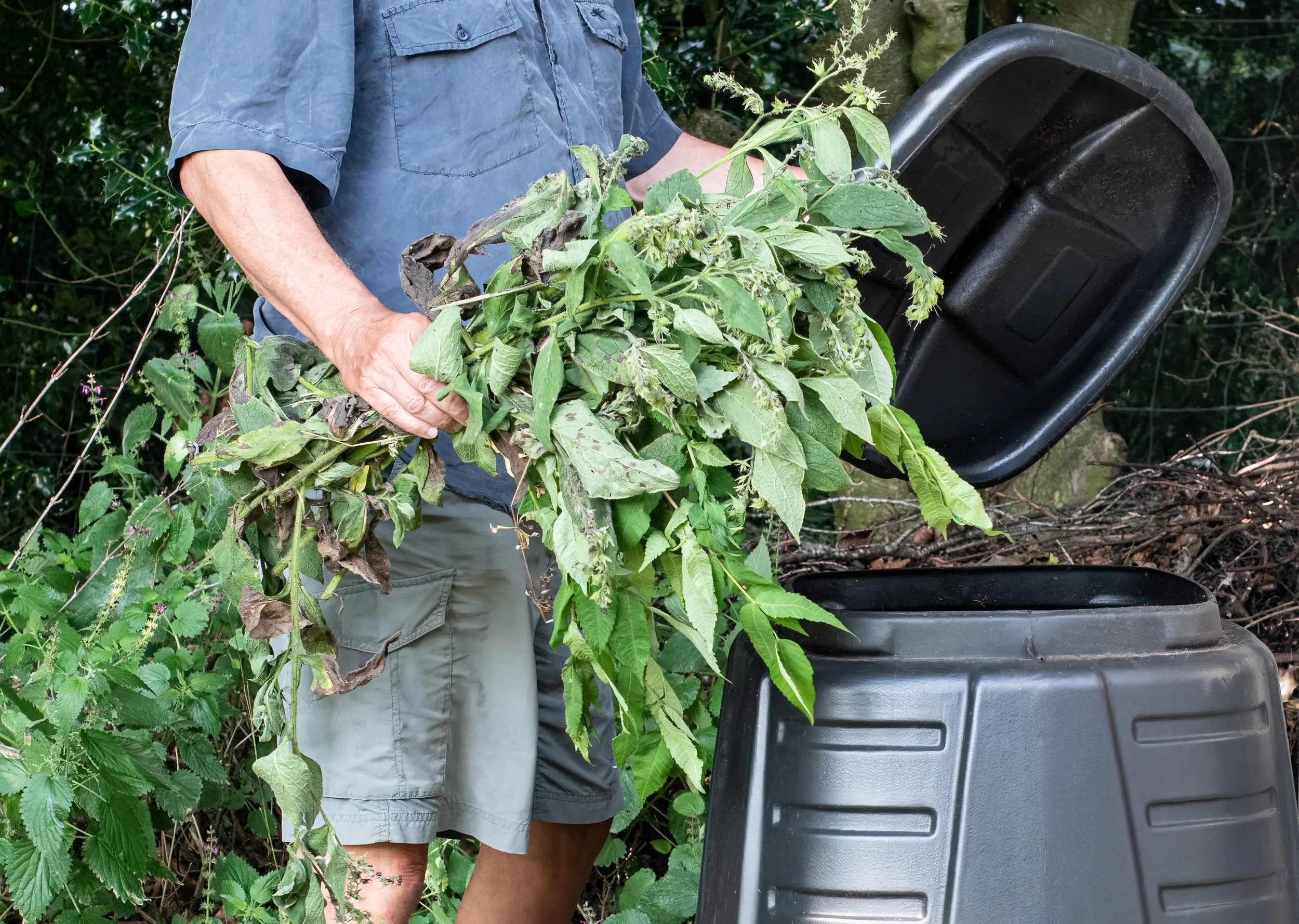
The medicinal use of comfrey has always interested me, legends from Crusaders told of ‘infidels’ using comfrey to heal wounds of its soldiers on the battlefield. There is a long history of herbal medicine dating back to the 10th Century when muslims taught the Templar Knights their medical knowledge, which was later appropriated by the Knights of the Red Cross, which is now St. John’s Ambulance.
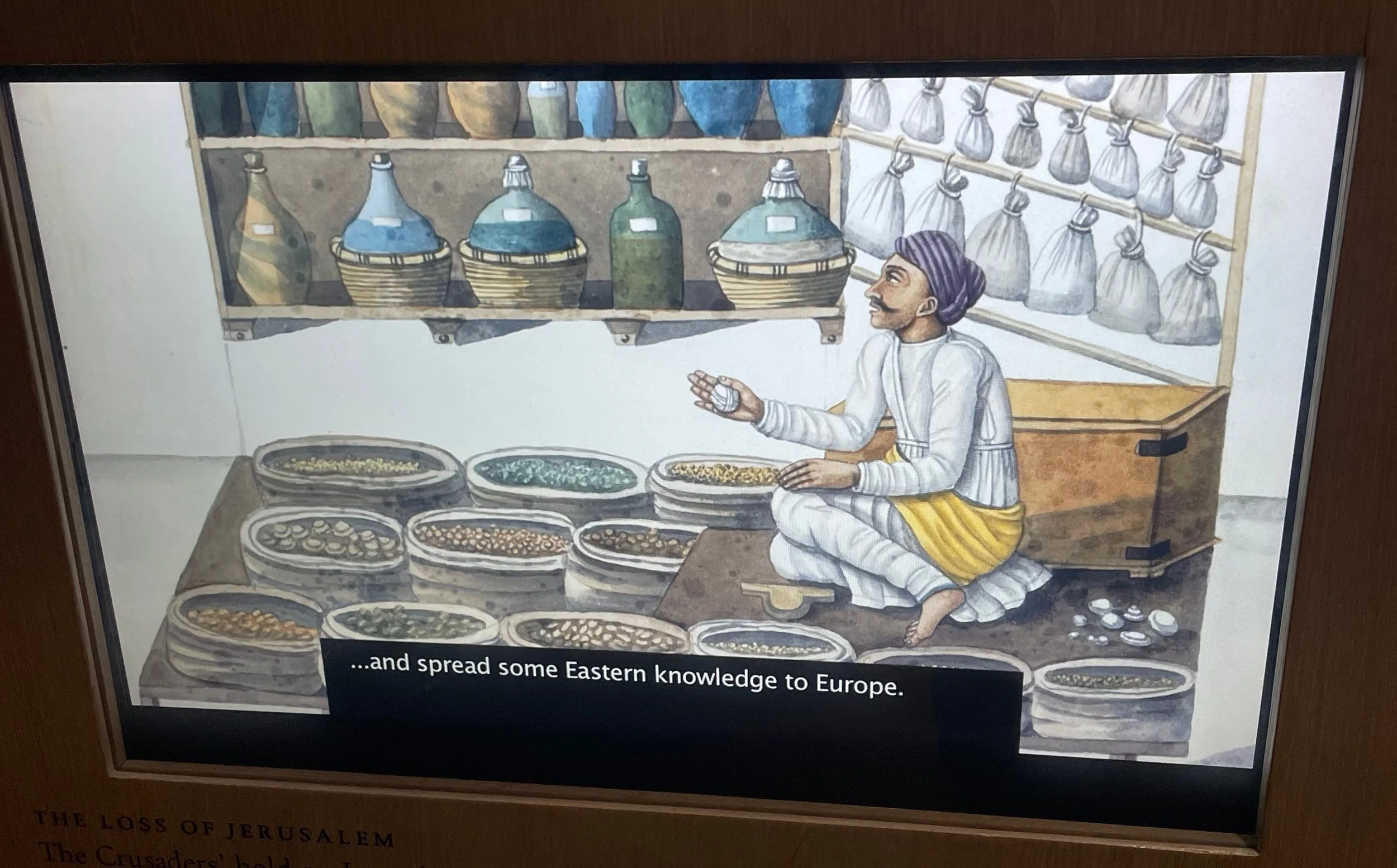
I have used comfrey as a poultice, as seen here in photos below, when I sprained my ankle last summer, it seemed to reduce swelling and pain overnight. I have also used comfrey tea on my garden, especially when growing vegetables and had great results.
PLACE
McBeans Orchids, Lewes, Sussex
“Connection with gardens, even small ones, even potted plants, can become windows to the inner life. The simple act of stopping and looking at the beauty around us can be prayer.” ― Patricia R. Barrett
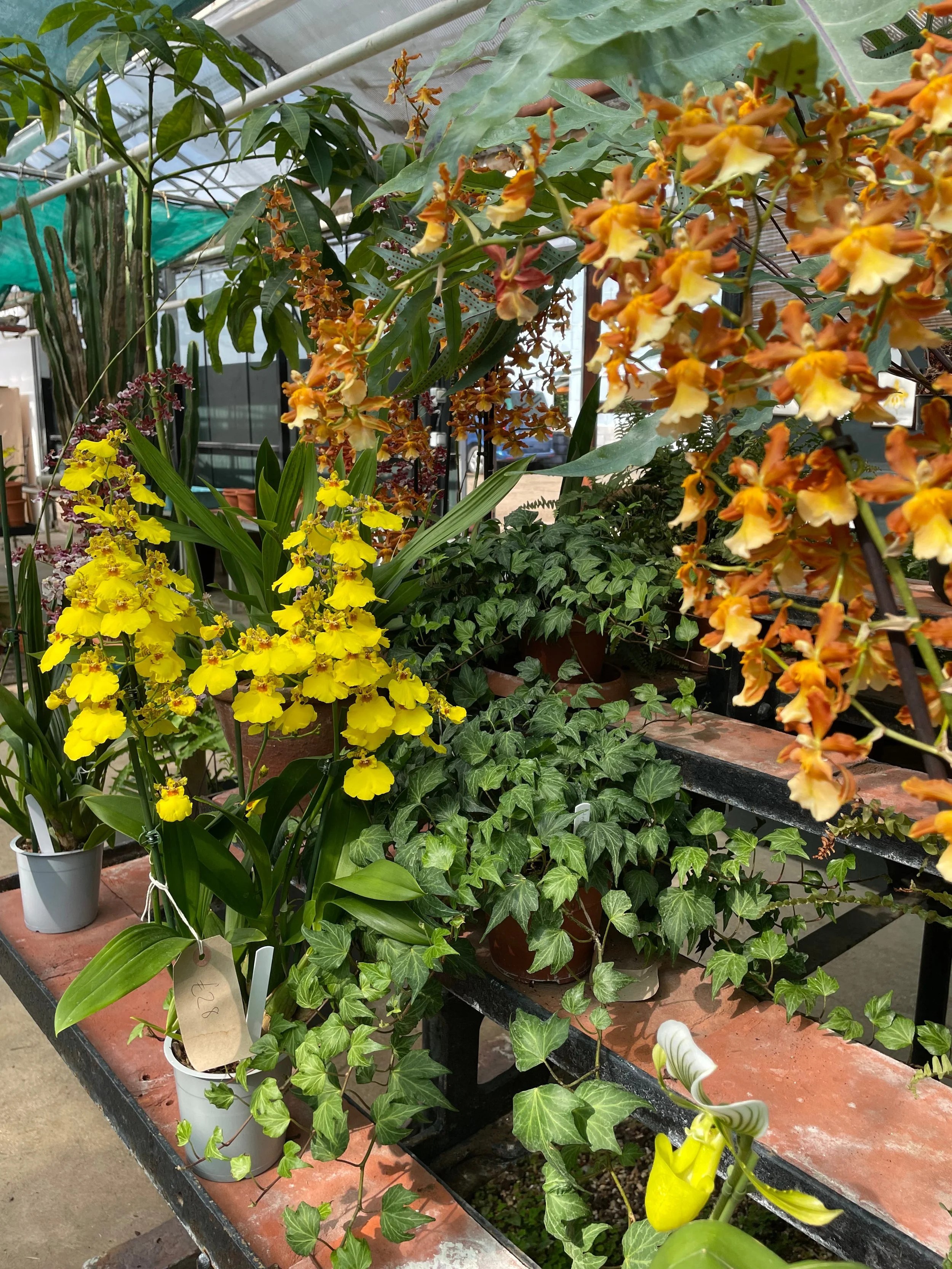
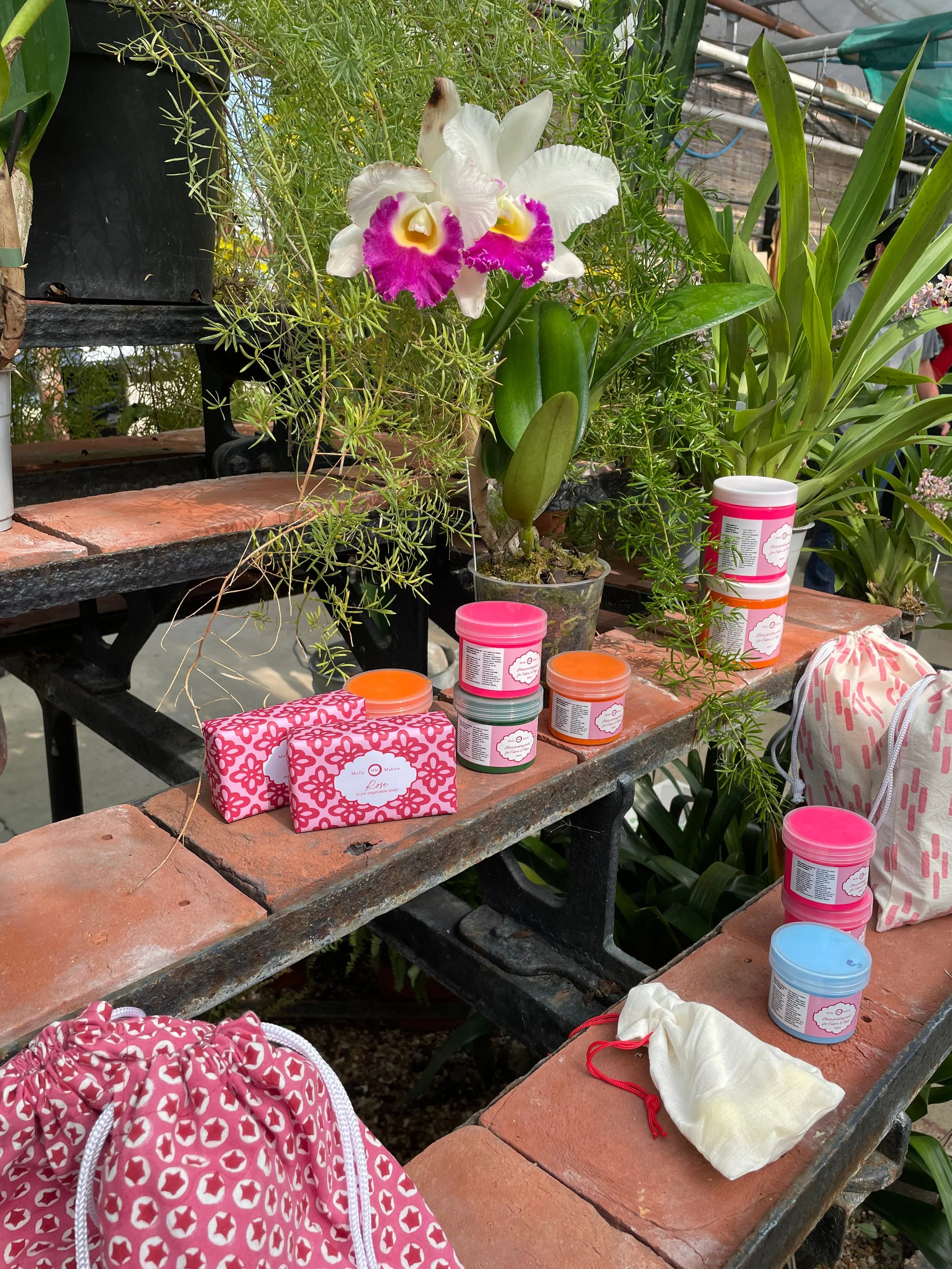
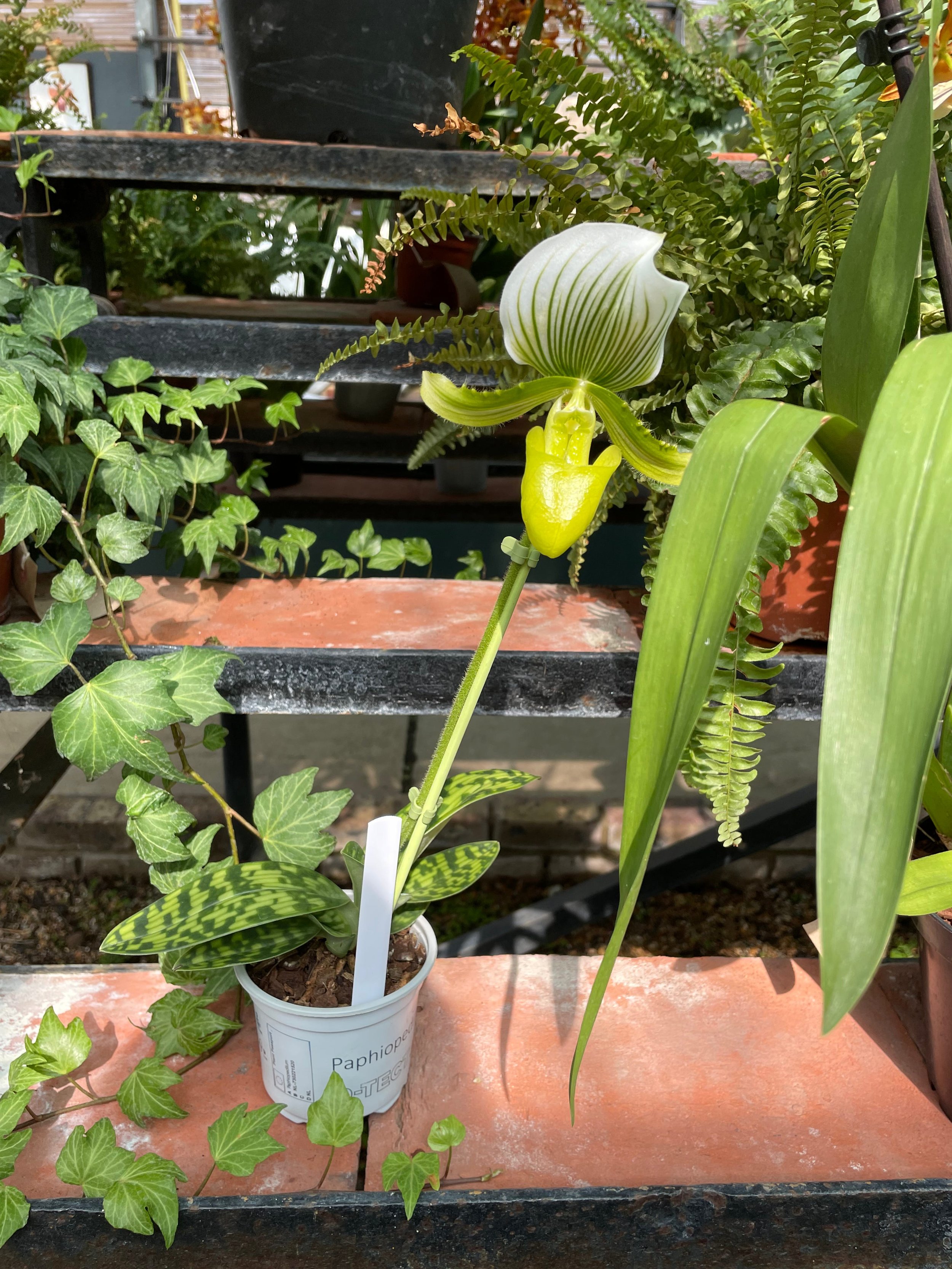
McBeans Orchid house is a nursery dedicated entirely to growing orchids, who could imagine such a paradise exists? but it does! I visited by chance in July 2021 while attending a block printing workshop with Molly Mahon. It was a fantastic venue, partly also, because they served the best tea and cake. But there is far more depth to this place than cake and flowers.
It is the last remaining orchid nursery in Britain, and has won no less than 70 gold awards at Chelsea. The current owners, Rose and Stretch (he’s 6ft 7!) took on the nursery in a moment of serendipity when visiting to buy orchids. The previous owners were having to close, and the prospect of losing such a gem seemed too tragic, so Rose and Stretch took it on, continuing the legacy that began in 1879 with Scotsman James Ure McBean. It was really Albert, Jame’s son who’s devoted passion to orchids earned them a reputation and specialisation that lives to this day. Sadly the current owners themselves are struggling to keep the legacy alive, as oil prices make heating the greenhouses prohibitive, meaning two of the three greenhouses are now rented out for other use.
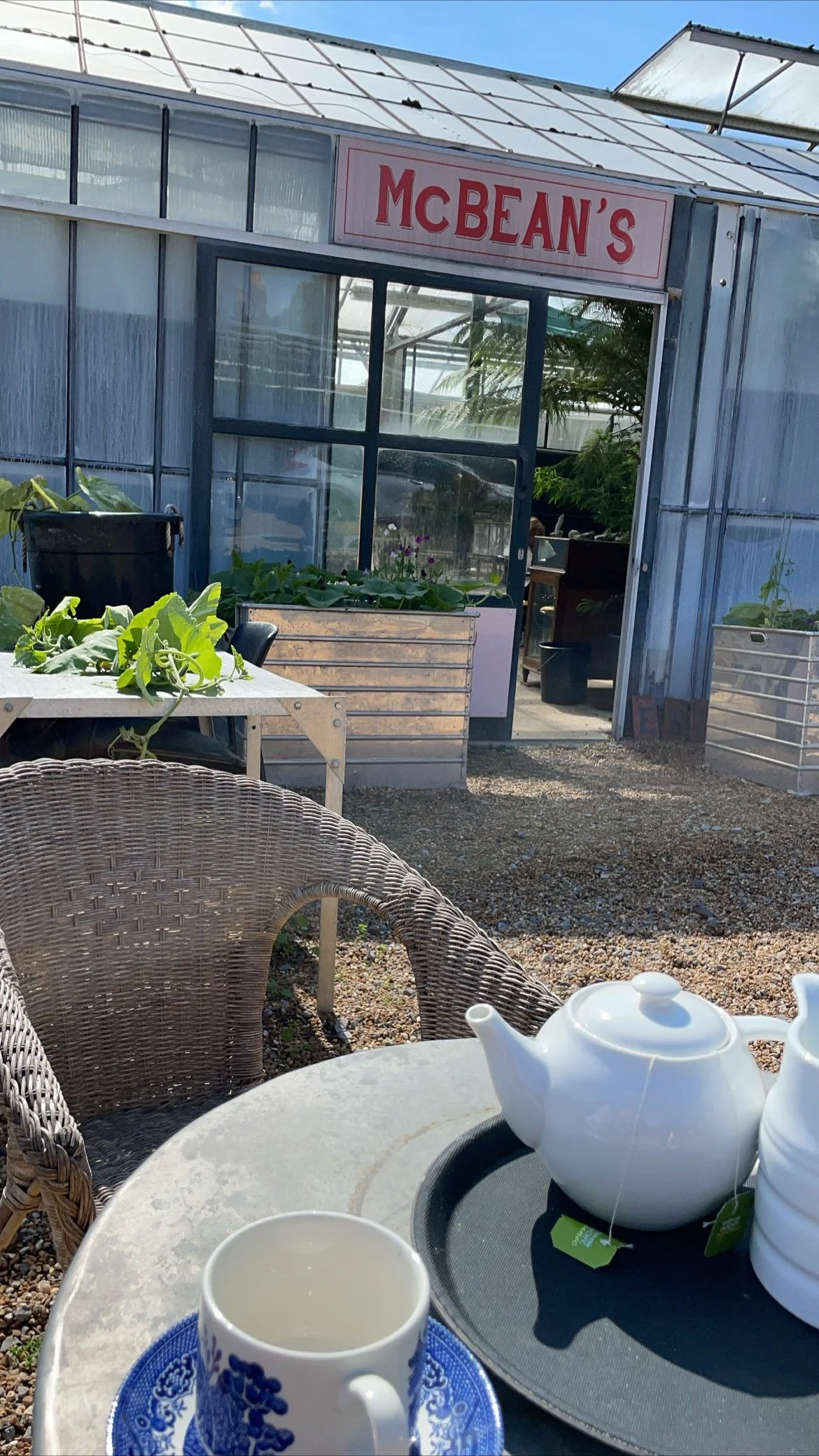
For this reason I believe McBeans deserves some support, and it’s a lovely venue as a detour from perhaps, Charleston Farmhouse or Middle Farm. After all we don’t want to be in the position in years ahead, when all the British grown plants are gone and nurseries closed, what a depressing thought. It’s a nice place to wander around and see rare plants you won’t find anywhere else, and perhaps sit outside in the sun, as I did. Please also buy an orchid while you are there
RECIPE
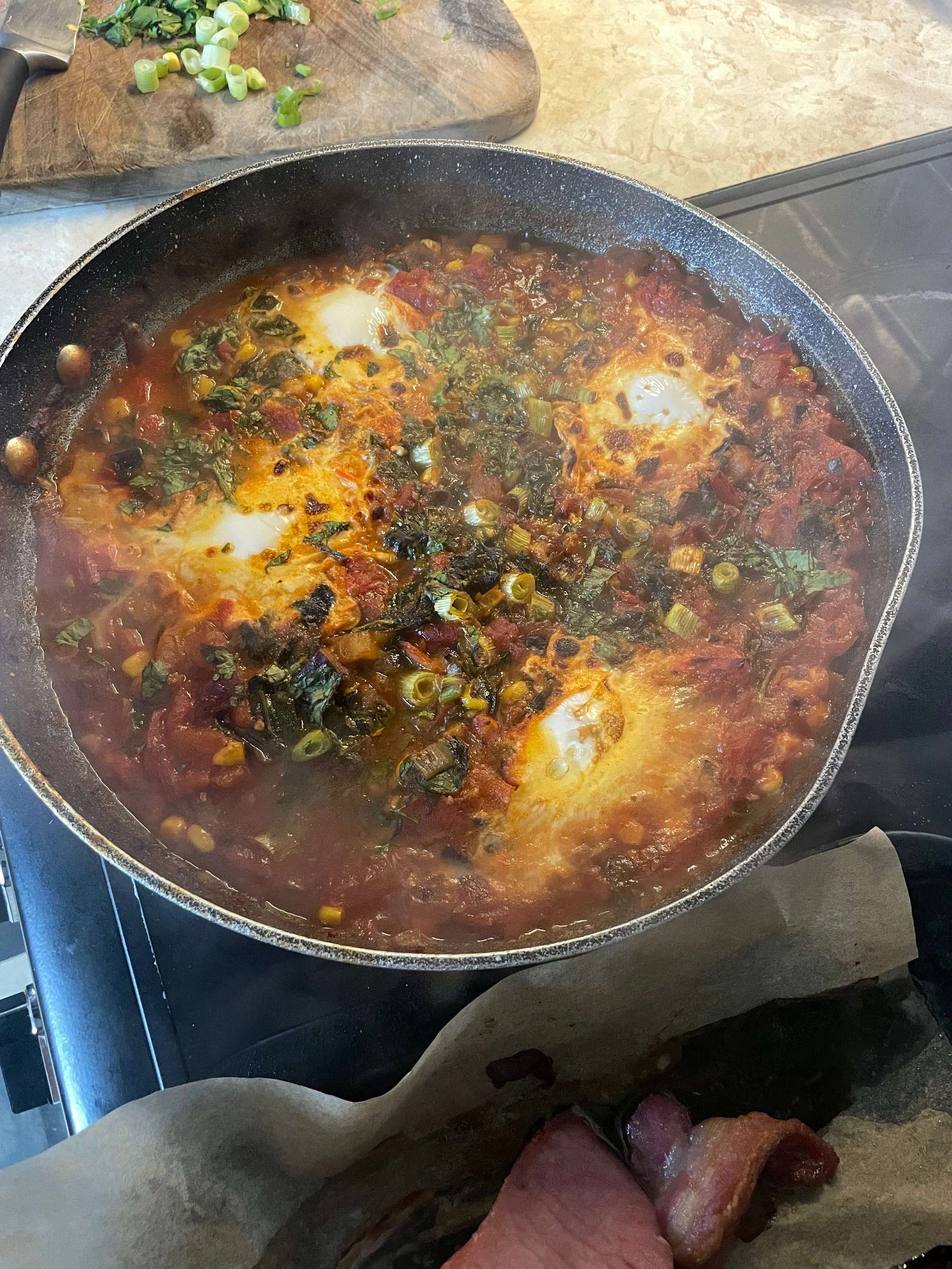
Shakshouka or Shakshuka
A hearty west Asian dish, made in Tunisia, Algeria and the surrounds. The word, in Arabic means ‘mixed up’ or ‘mixture’ and can be freestyled in many different iterations.
I often make this, or Huevos Rancheros as a weekend brunch, with three teenagers who don’t often rise from their beds until near midday, we are all starving by that point. I think it’s one of those dishes that works equally well in all seasons. I love picking fresh tomatoes from the greenhouse in summer, which, in the case the dish needs little else but a dash of smoked paprika, salt and essentially eggs. In winter, it becomes more gutsy, I sometimes add chorizo or bacon and fresh bread is dipped in the juices. Works well as a meal to share but also a simple light dinner for one.
As with most of my recipes, they are made to my mood, so sometimes there are onions and peppers, or added greens such as chard, or spinach. Feel free to add lib at your pleasure! The recipe here is a standard base.
Ingredients
Tomatoes - either a tin of plum tomatoes, or fresh equivalent
Peppers - I bell pepper chopped
Onion - I medium onion, diced
2 garlic cloves, minced
Eggs - I per person
Yoghurt
Herbs & Spices
Cumin
Smoked paprika
Dried chilli flakes or fresh
Salt
Ground black pepper
Fresh Coriander
Method
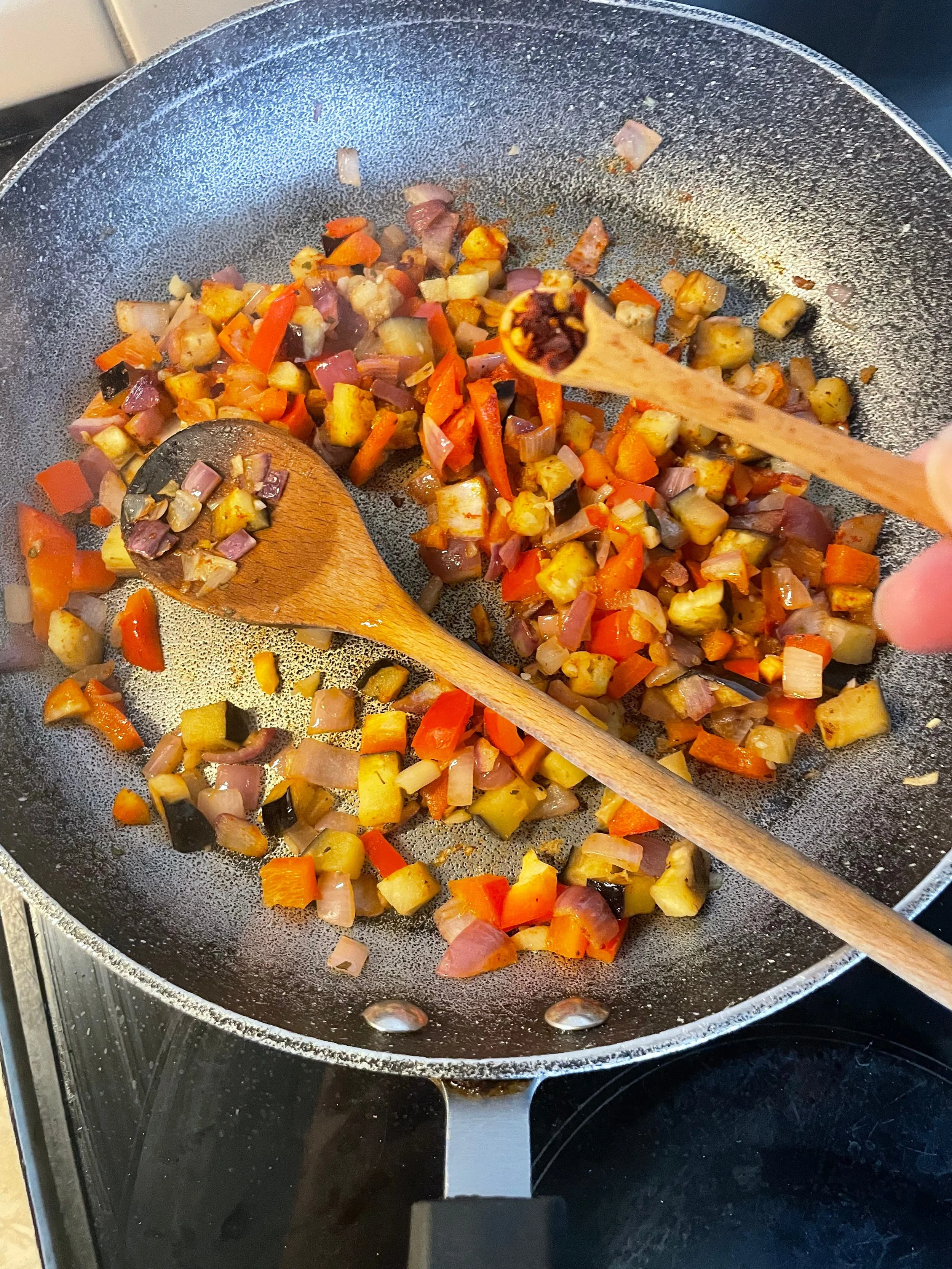
Dice up the vegetables and mince the garlic
Sautee the onions and peppers in olive oil or butter, add some salt
Add minced garlic when the onions and peppers are softened, turn the heat low so not to burn the garlic.
Add the tomatoes and a cup or two of water, stir and simmer
Add the spices, cumin and paprika
Allow to simmer until the sauce reduces and all the ingredients are amalgamated.
If you like it spicy, add some chilli now and cook for another 5 minutes
Make a well for the eggs and crack them into the hole, cook through for 5 minutes
I like to finish it off under the grill to cook the top of the egg.
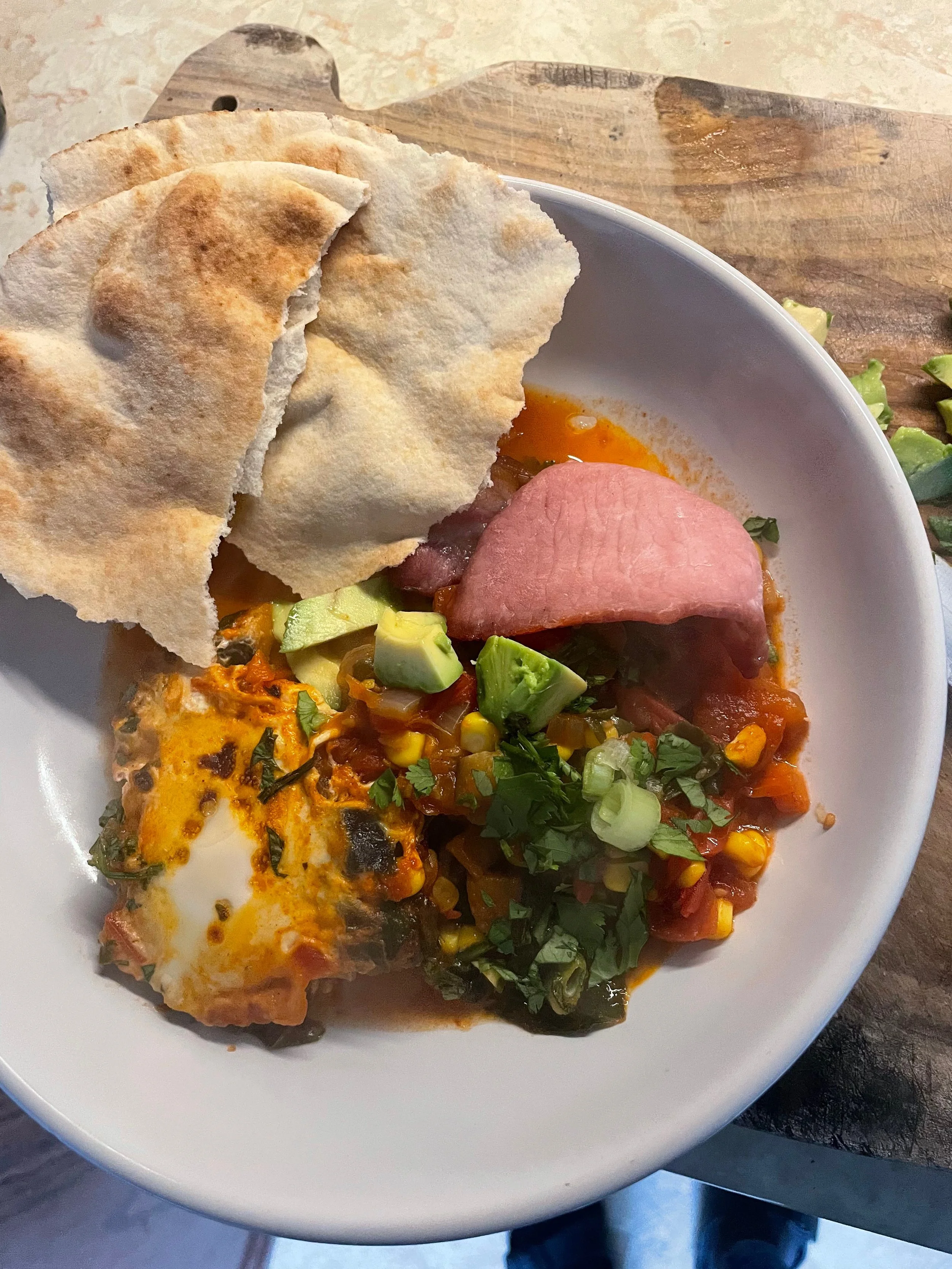
Serve with fresh coriander, crusty bread and any extras such as thick plain yoghurt and crispy bacon.
Meditation
I’m reading the book ‘Neurodivergent by Nature’ at the moment by Joe Harkness.
I think a lot about the visceral impact on our bodies in our environments and the neuroscience that supports what we already know and feel, when being outside in a natural environment. I started to research studies last summer that explored how more importantly our nervous system changes in nature. There is so much emphasis put on neuroscience and the brain, on thinking and rationalising experience.
Something I learned when I worked as a coach, was how much information is stored in the body, and how our bodies are always communicating. We think so much, we assume the mind is our control system. But as someone who has suffered with a long term chronic illness I can assure you, the nervous system is running the show. If your system does’t feel safe, you’re not in coherence.
We already are aware of the gut brain connection, and how 70% of serotonin is made in the gut, but are we fully connected to these highly tuned information highways that send us warnings daily?. I believe we need to remember we are animals, with instincts and intuition, but our modern society has removed us from this inherent intelligence.
I have experienced discordance in my Vegas nerve, and I can tell you it isn’t fun. You feel detached from existence as this powerful nerve controls digestion, breathing, heart rate, and other vital autonomic systems we take for granted, such as swallowing. When you have to consciously swallow, that existence becomes strained.
Despite this, when I’m in nature, much of my own physical and nervous system issues disappear. It’s like my body switches automatically back to its default setting. This leads me to wonder about the growing evidence that suggests neurodivergent people may be a throwback to our more ancient tribal origins. Perhaps we were the hunters, or outliers that protected the tribe, ready to switch to high alert when needed?. Coherence really is the keyword, and what is inherently linked to beauty, we find things beautiful that our brains find coherent, which relaxes our senses.
Neurodivergent thought
I was mulling over the autism diagnostic criteria this week, especially the ASD symptom ‘strong sense of social justice’. I highly identify with this aspect, if you know my previous content, you’ll be aware of my political activism, and quite frankly that is born out of an experience of alienation for most of my life, and knowing the consequences. So I feel especially passionate about anyone in marginal groups suffering unnecessarily.
This obviously is intrinsically linked to other characteristics, such as not recognising systems of authority, and missing social cues. This all points to (for me at least) a system that requires a group agreement on consensus reality to enable those rules to be upheld. When those rules seem nonsensical and not based on equality, truth and freedom, I simply cannot apply them to my life. Which has led me into difficulties.
There was only a period of about 8 years while working where I self-abandoned my principles. It’s something most people do to survive, in our capitalist system that is essentially cruel, unfair and dishonest. It requires a level of detachment which I’m not capable of. I’m not motivated by accumulating material goods, but I do want security and a level of comfort and some beauty to ease the experience.
Going back to the original point, why is this pathologised? Why is wanting a better world for all seen as a mental disability? This baffles me. I suppose you only have to research a little into why the diagnostic criteria was invented to arrive at some conclusions. This particular trait was mentioned by Hans Asperger who was responsible for diagnosing children with what he described as ‘high functioning autism’ that later became known as Aspergers (this is not used anymore for ethical reasons).
His work was associated with the Third Reich in Germany during the Second World War. Although he was not a member of the Nazi party, I think it’s safe to assume his diagnostic criteria had a hand in the 800 children sent to be murdered at the Am Spiegelgrund clinic in Vienna’s Am Steinhof psychiatric hospital. This is a terrifying reality of a fascist regime that has, in recent times, resurfaced in the public domain. With criticism by politicians of the diagnostic procedure and an increase in diagnosis.
I have always said that neurodivergent people are the canaries in the coal mine with respect to societal change. As we are not able to assimilate quickly to changes that Capitalism requires to keep up the the pace of production. Only now is that apparent to neurotypical people with the advent of AI taking jobs and outpacing that average person. I hope this leads to greater awareness of these damaging systems.
A heavy thought to end on, but bookended with comforting food, beautiful orchids and healing comfrey.
As Jung said “It is a matter of life and death to confront the shadow aspect of ourselves.”
See you next week